 Skip to content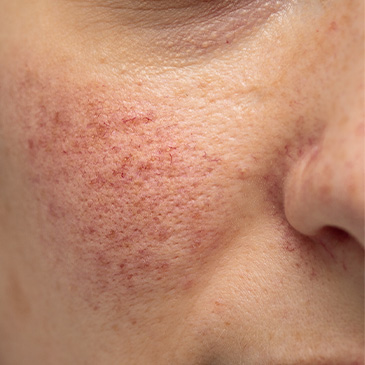
Broken capillaries appear as red lines under the skin’s surface. Broken capillaries are common and can develop anywhere on the body, mainly on the nose, legs, cheeks, and chin. Capillaries are only millimeters thick and connect veins and arteries to aid in transporting nutrients to the blood. While transporting essential water and oxygen, capillaries morph from one size to another. In specific instances, capillaries expand too much and cannot revert to their original size. This results in telangiectasias, also known as broken capillaries.
Broken capillaries can insinuate that the capillaries cannot function. Rather than being entirely broken, the capillaries cannot shrink back to their standard size. However, they are still capable of their primary function of transporting nutrients. Broken capillaries do not inflict any pain; they are simply a cosmetic concern. Many broken capillaries in the same area are called spider veins.
Numerous causes can contribute to broken capillaries. Excessive function of the capillaries can cause stress, leading to broken capillaries. Some reasons include sun exposure, alcohol consumption, injuries, dry skin, inflammation, rosacea, and external irritants.
The heat from the sun can expand blood vessels, while sunburn can peel the skin, making capillaries more visible. Alcohol over-dilates and inflames blood vessels, causing the skin to appear red. Injuring the skin can cause broken capillaries. When you pop a pimple or get a bruise, this can damage your capillaries. Dry skin is not as thick as normal skin, making capillaries more visible. Extreme temperature changes can cause broken capillaries during the winter. Going outside and back inside can cause unwanted stress to the capillaries, resulting in permanent damage. Extremely hot water, smoke, and air pollution can also impact the health of your capillaries.
Broken capillaries often develop due to sun damage, aging, rosacea, or trauma to the skin. They are more common in people with fair or sensitive skin and may appear after years of skin exposure or stress.
While broken capillaries may not heal on their own, effective treatments can significantly reduce or remove their appearance. Thanks to non-invasive treatments for spider veins in Nebraska, patients now have more choices than ever to restore even-toned, clear skin.

Microneedling thickens the skin, minimizing the appearance of broken capillaries. Microneedling also stimulates angiogenesis, which produces stronger blood vessel walls and connective tissue. Microneedling can stimulate collagen production, improving the appearance of broken capillaries. Microneedling reduces redness, inflammation, and swelling. Microneedling involves a small device that creates tiny wounds in the skin. Platelet-rich fibrin uses your blood’s healing and replenishing components to rejuvenate and heal the skin through the controlled microneedled wounds.
This is considered the best microneedling with PRF for visible veins and a top choice for those seeking non-invasive facial vein treatment options.
XEO® laser for broken facial capillaries is another powerful tool available at our clinic. The laser targets visible capillaries and spider veins by converting light into heat, which causes the vessel to collapse.
This is an ideal laser treatment for facial redness and a popular solution for red facial veins.
If you’re searching for the best clinic for broken capillaries in NE, Heartland Luxe Aesthetics is here to help. We understand that visible facial veins and redness can affect your confidence, and we’re here to offer safe, proven solutions.
Our experienced providers guide you through each step—from consultation to treatment—so you always know what to expect. We don’t just treat your skin, we support your entire experience with comfort and transparency.
They are tiny blood vessels that become dilated or damaged, often due to sun exposure, skin trauma, or the natural aging process.
Most treatments cause minimal discomfort—similar to a rubber band snap or mild heat—and require little to no downtime.
Patients typically require multiple sessions: 1–3 for laser treatment and 4–6 for microneedling with PRF, depending on the severity of their condition.
Wearing sunscreen daily, avoiding harsh skincare products, and limiting exposure to heat and alcohol can help prevent recurrence.
Microneedling thickens the skin and strengthens blood vessels, while laser directly targets and collapses visible vessels for fast removal.